
• Home
  • Wellness
  • Life&Balance
  • Healthy Planet
  • Life Tips
  • Mind&Body
logo
  • Home
  • Wellness
  • Life&Balance
  • Healthy Planet
  • Life Tips
  • Mind&Body
  • Healthy Planet

What Causes Poor Air Quality?

2025-12-12 By Henry Baker

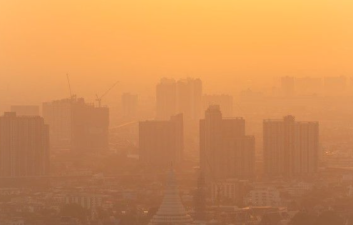
Air pollution, also known as atmospheric pollution, is defined by the International Organization for Standardization (ISO) as the phenomenon where substances enter the atmosphere at sufficient concentrations for a sufficient duration due to human activities or natural processes, thereby harming human comfort, health, welfare, or the environment. In other words, any substance whose quantity, properties, and duration of existence are sufficient to affect humans, other living organisms, or property can be called an air pollutant; and the phenomenon caused by its presence is air pollution. This silent threat is gradually eroding our living environment. Whether in bustling cities or remote rural areas, industrial centers or agricultural fields, none can escape its shadow.
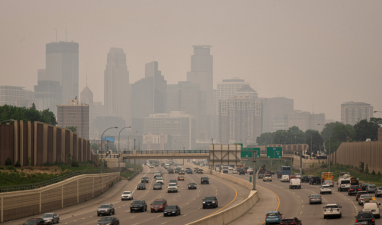

Causes of Air Pollution

The atmosphere is a mixture composed of nitrogen, oxygen, carbon dioxide, water vapor, and solid particulate matter in specific proportions. In dry air, under standard conditions, nitrogen accounts for 78.08% by volume, oxygen for 20.94%, rare gases for 0.93%, carbon dioxide for 0.03%, while other gases and impurities each account for approximately 0.02% by volume. Various natural changes often cause changes in atmospheric composition.

Causes of Deteriorating Air Quality

  1. Natural Factors

Air quality is affected by the natural environment. Certain natural events, such as volcanic eruptions and forest fires, release large amounts of pollutants into the air, leading to a temporary deterioration in air quality. Additionally, climate change also affects air quality; for example, rising temperatures increase the concentration of greenhouse gases in the atmosphere, exacerbating the adverse effects of climate change.
  1. Human Factors

Human activities are one of the main causes of deteriorating air quality. Large amounts of waste gas emitted from industrial production, especially gases containing pollutants such as sulfur dioxide and nitrogen oxides, severely pollute the air. Furthermore, exhaust fumes from transportation vehicles are also a significant source of air pollution. Large amounts of vehicle exhaust emissions cause a sharp increase in the concentration of particulate matter and harmful gases in the air.
  1. Impacts of Agricultural Production

Fertilizers and pesticides used in agricultural production, as well as odorous gases produced by livestock farming, also affect air quality through various pathways. For example, the use of fertilizers releases pollutants such as ammonia into the air. These gases not only affect air quality but may also pose a potential threat to human health.
  1. Accelerated Urbanization

Urbanization alters land use patterns, leading to the removal of large amounts of vegetation and a reduction in green spaces. This exacerbates the contradiction between urban air pollutant emissions and decreased absorption capacity. Construction sites in cities also generate significant amounts of dust and harmful gases, further aggravating air pollution. Furthermore, improper disposal of household waste and construction debris severely impacts air quality. Therefore, rapid urbanization has, to some extent, exacerbated air quality deterioration. To address this issue, we should take measures to reduce anthropogenic pollutant emissions, rationally utilize natural resources, improve environmental protection levels, enhance air quality, and safeguard a healthy living environment for people.


Conclusion

Air pollution, a complex and pressing issue, stems from both natural factors and multiple aspects of human activities. By deeply understanding the sources of air pollution, we can more comprehensively grasp the essence of this problem and formulate practical and effective prevention and control measures. Let us work together, pay attention to air quality, actively advocate green lifestyles, and jointly reduce pollutant emissions to create a more livable and beautiful living environment for our future generations.

Recent Posts

Why Protecting Wildlife Protects Us Too

Environmental Protection Is a Global Challenge

Are We Doing Enough to Reduce Plastic Waste?

Why Urban Green Spaces Matter More Than We Think

Protecting the Earth Starts With Understanding It

Environmental Protection Begins at Home

  • About Us
  • Privacy Policy
  • Terms of Use

©Copyright 2025 Wisdom Live. All Rights Reserved.